
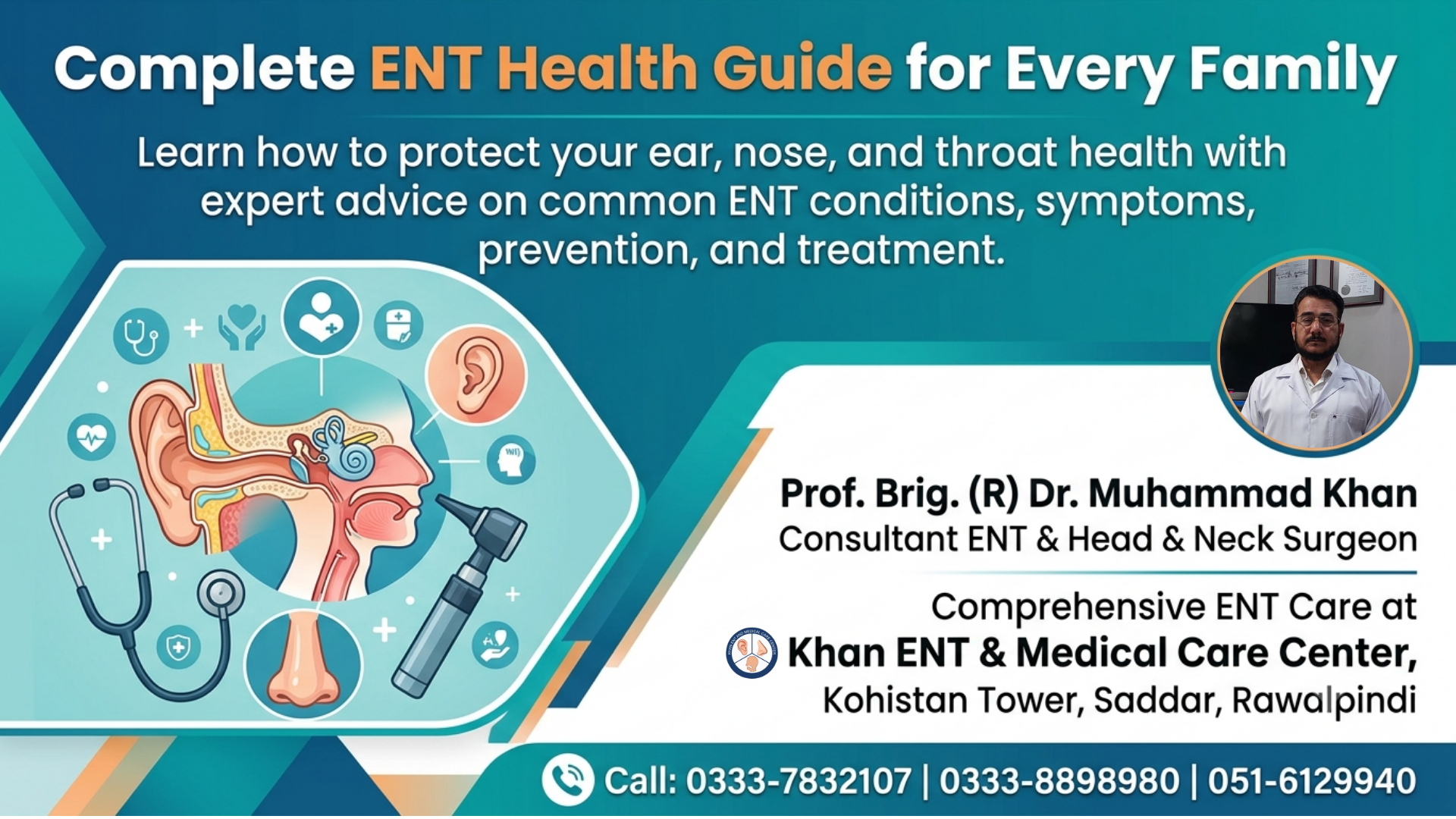
Good ear, nose, and throat health plays a vital role in our daily lives. We rely on our ears for hearing and balance, our nose for breathing and smelling, and our throat for speaking and swallowing. When any of these organs are affected by disease, everyday activities can become uncomfortable and even challenging. This comprehensive ENT Health Guide explains common ENT conditions, their symptoms, available diagnostic methods, treatment options, and practical ways to protect your overall ENT health.
Whether you experience frequent ear infections, chronic sinus problems, hearing loss, sore throat, or voice changes, understanding these conditions can help you seek timely medical care and prevent long-term complications.
What Is ENT?
ENT stands for Ear, Nose, and Throat, a specialized field of medicine also known as otolaryngology. ENT specialists diagnose and treat diseases affecting the ears, nose, throat, head, and neck.
An ENT specialist manages both common and complex conditions, including hearing disorders, sinus infections, allergies, tonsillitis, voice problems, dizziness, sleep-related breathing disorders, and head and neck tumors. Moreover, modern ENT care combines advanced diagnostic technology with personalized treatment plans to achieve the best possible outcomes.
Understanding the Ear
The human ear is a complex organ responsible for hearing and maintaining balance. It consists of three main sections, each performing a specific function.
Outer Ear
The outer ear includes the visible ear (pinna) and the ear canal. It collects sound waves and directs them toward the eardrum for further transmission.
Middle Ear
The middle ear contains the eardrum and three tiny hearing bones known as the ossicles. These bones amplify sound vibrations before passing them to the inner ear.
Inner Ear
The inner ear contains the cochlea, which converts sound vibrations into electrical signals that travel to the brain. It also houses the vestibular system, which helps maintain balance and body coordination.
Because of these important functions, even minor ear disorders can affect hearing, communication, and daily activities.
Understanding the Nose
The nose is more than just an organ for breathing. It filters dust, bacteria, allergens, and pollutants before air reaches the lungs.
The nose also:
- Warms and humidifies inhaled air
- Supports the sense of smell
- Helps produce clear speech
- Protects the respiratory system from harmful particles
Additionally, the nose connects with the paranasal sinuses, which are air-filled spaces that contribute to voice resonance and mucus drainage.
Understanding the Throat
The throat serves as a shared pathway for breathing, swallowing, and speaking.
It includes:
Pharynx
The pharynx connects the nose and mouth to the larynx and esophagus. It plays an essential role in swallowing food and transporting air.
Larynx
The larynx, often called the voice box, contains the vocal cords that produce speech. Furthermore, it protects the airway during swallowing by preventing food and liquids from entering the lungs.
Healthy throat function is essential for communication, eating, and safe breathing.
Common Ear Conditions
Several ear disorders affect both children and adults. Early diagnosis often prevents permanent hearing damage and other complications.
Hearing Loss
Hearing loss may occur gradually or suddenly. It can result from aging, excessive noise exposure, ear infections, impacted earwax, inherited conditions, or damage to the hearing nerve.
Common symptoms include:
- Difficulty understanding conversations
- Frequently asking others to repeat themselves
- Increasing television volume
- Ringing in the ears
- Trouble hearing in crowded places
Ear Infections
Middle ear infections are especially common in children but may also occur in adults.
Symptoms often include:
- Ear pain
- Fever
- Temporary hearing loss
- Fluid discharge
- Irritability in children
Prompt treatment reduces the risk of complications and protects hearing.
Tinnitus
Tinnitus refers to ringing, buzzing, hissing, or clicking sounds heard without an external source.
Although tinnitus itself is not a disease, it often signals an underlying hearing or ear condition that requires medical evaluation.
Vertigo and Balance Disorders
Vertigo creates a false sensation that the room is spinning or moving. Patients may also experience dizziness, nausea, vomiting, and balance difficulties.
Fortunately, many balance disorders respond well to appropriate diagnosis and vestibular rehabilitation therapy.
Common Nose Conditions
The nose is constantly exposed to allergens, viruses, bacteria, and environmental pollutants. Consequently, nasal disorders are among the most frequent reasons for visiting an ENT specialist.
Allergic Rhinitis
Allergic rhinitis occurs when the immune system reacts to allergens such as pollen, dust mites, pet dander, or mold.
Typical symptoms include:
- Sneezing
- Runny nose
- Nasal blockage
- Itchy nose
- Watery eyes
Fortunately, early diagnosis and allergy management can significantly improve quality of life.
Sinusitis
Sinusitis develops when the sinus lining becomes inflamed due to infection or allergy.
Common symptoms include:
- Facial pain or pressure
- Thick nasal discharge
- Nasal congestion
- Reduced sense of smell
- Headache
Modern medical treatments, combined with appropriate lifestyle measures, often provide lasting relief from chronic sinus problems.
Diagnosis, Treatment, Prevention & Expert ENT Care
Common Throat Conditions
Throat disorders can affect speaking, swallowing, and breathing. While many conditions are temporary, persistent symptoms should always be evaluated by an ENT specialist.
Tonsillitis
Tonsillitis is the inflammation of the tonsils, usually caused by viral or bacterial infections. Although it is common in children, adults can also develop recurring tonsillitis.
Symptoms include:
- Severe sore throat
- Pain while swallowing
- Swollen tonsils
- Fever
- Bad breath
- Enlarged neck glands
If infections occur repeatedly or interfere with breathing and swallowing, an ENT specialist may recommend tonsil surgery.
Pharyngitis
Pharyngitis, commonly known as a sore throat, can result from viral infections, bacterial infections, allergies, or environmental irritants.
Patients often experience:
- Throat pain
- Difficulty swallowing
- Dryness
- Fever
- Swollen lymph nodes
Early diagnosis helps determine whether antibiotics or supportive care are appropriate.
Laryngitis
Laryngitis occurs when the vocal cords become inflamed due to infection, excessive voice use, acid reflux, or smoking.
Common symptoms include:
- Hoarseness
- Weak voice
- Complete loss of voice
- Persistent throat irritation
- Dry cough
If hoarseness lasts longer than two weeks, a detailed ENT examination is recommended.
Advanced ENT Diagnostic Procedures
An accurate diagnosis is the first step toward successful treatment. Modern ENT specialists use advanced equipment to identify the exact cause of symptoms.
Common diagnostic procedures include:
Otoscopy
A detailed examination of the ear canal and eardrum to identify infections, earwax blockage, or eardrum abnormalities.
Pure Tone Audiometry (PTA)
A hearing assessment that measures hearing ability at different sound frequencies and helps diagnose the type and severity of hearing loss.
Nasal Endoscopy
A thin, high-definition camera is used to examine the nasal passages and sinuses for polyps, infections, allergies, or structural abnormalities.
Video Laryngoscopy
This procedure provides a clear view of the vocal cords and throat to diagnose voice disorders, persistent hoarseness, swallowing problems, and throat diseases.
Imaging Studies
CT scans or MRI scans may be recommended for selected patients when more detailed evaluation of the ears, sinuses, throat, or head and neck is required.
Treatment Options for ENT Conditions
Treatment depends on the underlying diagnosis. Therefore, every patient receives a personalized management plan based on their symptoms and investigation results.
Medical treatments may include:
- Antibiotics for bacterial infections
- Allergy medications
- Nasal sprays
- Pain relief medications
- Acid reflux management
- Hearing rehabilitation
- Vestibular rehabilitation therapy for balance disorders
When necessary, surgical treatment may be recommended, including:
- Tonsillectomy
- Adenoidectomy
- Septoplasty
- Functional Endoscopic Sinus Surgery (FESS)
- Ear surgery
- Head and neck surgical procedures
Modern surgical techniques are safer, minimally invasive in many cases, and designed to support faster recovery.
Tips to Maintain Good ENT Health
Fortunately, many ENT problems can be prevented through healthy daily habits.
Follow these practical tips:
- Protect your ears from excessive noise.
- Avoid inserting cotton buds into your ears.
- Stay well hydrated.
- Quit smoking and avoid tobacco products.
- Manage seasonal allergies promptly.
- Wash your hands regularly to reduce infections.
- Wear a mask in dusty environments.
- Seek medical advice for symptoms lasting longer than two weeks.
- Schedule regular ENT check-ups if you have chronic ENT conditions.
Moreover, early medical attention often prevents minor problems from becoming more serious.
Frequently Asked Questions
When should I see an ENT specialist?
You should consult an ENT specialist if you have persistent ear pain, hearing loss, ringing in the ears, chronic sinus problems, repeated sore throats, difficulty swallowing, hoarseness lasting more than two weeks, or frequent dizziness.
Are hearing tests painful?
No. Pure Tone Audiometry (PTA) is a painless and non-invasive test that evaluates your hearing ability accurately.
Can sinusitis be treated without surgery?
Yes. Most sinus infections improve with medical treatment. However, chronic or recurrent sinusitis may require advanced procedures such as Functional Endoscopic Sinus Surgery (FESS).
Why is early diagnosis important?
Early diagnosis allows timely treatment, reduces complications, improves recovery, and often prevents the need for more extensive procedures.
Maintaining good ear, nose, and throat health is essential for hearing, breathing, speaking, swallowing, and overall well-being. Understanding common ENT conditions, recognizing early warning signs, and seeking prompt medical evaluation can significantly improve treatment outcomes.
This ENT Health Guide highlights the importance of accurate diagnosis, modern investigations, preventive care, and evidence-based treatment for a wide range of ENT disorders. Whether you are experiencing hearing difficulties, sinus problems, throat pain, voice changes, or balance disorders, consulting an experienced ENT specialist ensures timely and appropriate care.
Book Your ENT Consultation Today
If you or a family member is experiencing persistent ear, nose, or throat symptoms, don't delay seeking expert medical advice. Early diagnosis and timely treatment can help prevent complications and improve your quality of life.
Prof. Brig. (R) Dr. Muhammad Khan
Consultant ENT | Head & Neck Surgeon
Khan ENT & Medical Care Center
Advanced ENT Services:
• Hearing Assessment (PTA)
• Nasal Endoscopy
• Video Laryngoscopy
• Sinus & Allergy Evaluation
• Tonsil & Adenoid Treatment
• Vertigo & Balance Assessment
• Comprehensive ENT Consultation
Kohistan Tower, Saddar, Rawalpindi
Appointments:
0333-7832107
0333-8898980
051-6129940
Book your appointment today for trusted, comprehensive ENT care from an experienced specialist dedicated to your ear, nose, and throat health.