
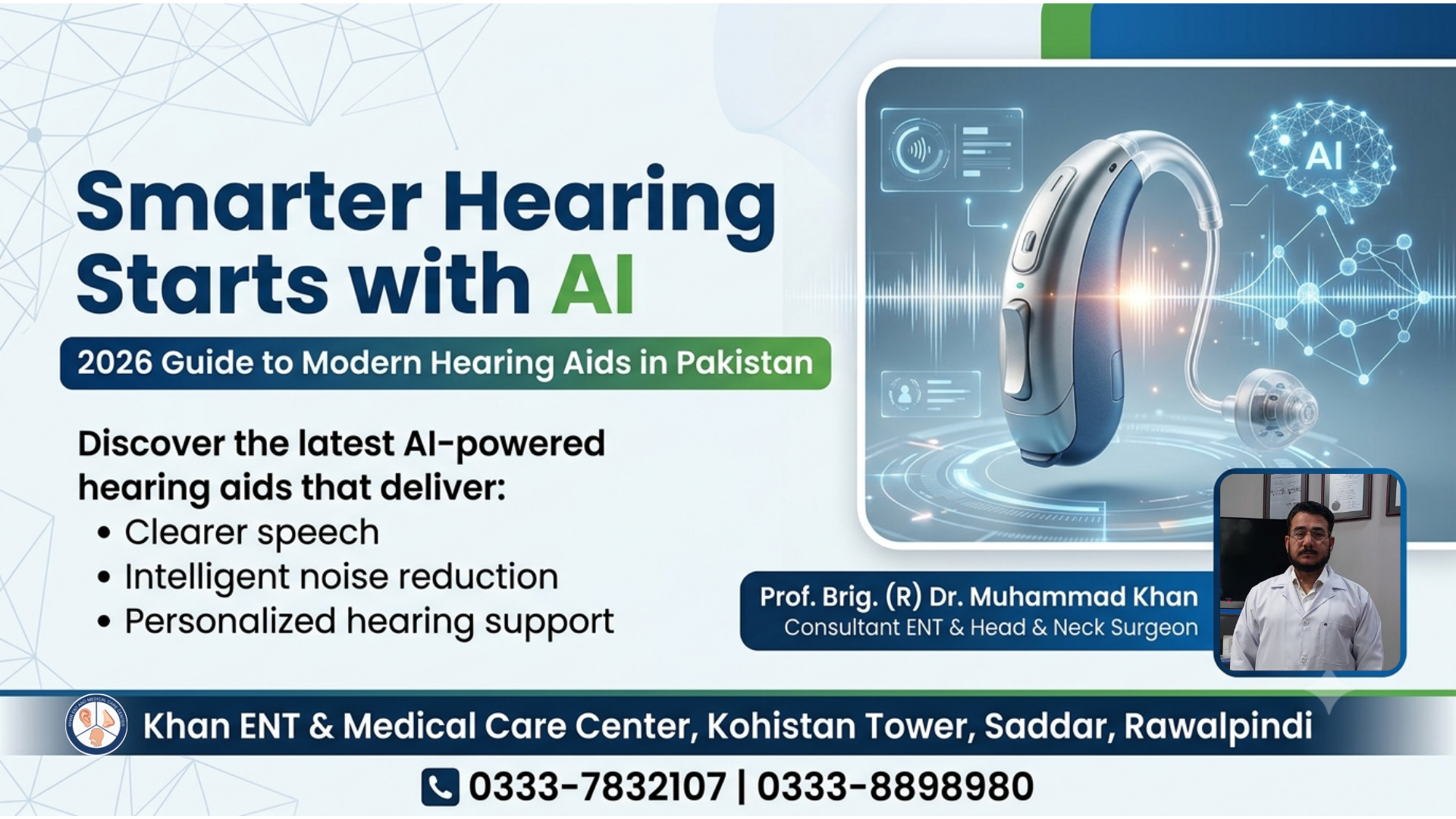
Modern Hearing Aids in Pakistan are becoming smarter than ever before. Artificial intelligence is transforming hearing technology by helping users hear conversations more clearly, reduce background noise, and enjoy a better listening experience. As digital healthcare continues to advance, AI-powered hearing aids are providing practical solutions for people living with mild, moderate, and severe hearing loss. These improvements allow users to communicate more comfortably at home, in the workplace, and during social activities.
How Hearing Aids in Pakistan Have Changed
Traditional hearing aids mainly amplified surrounding sounds. While this approach improved hearing, it often increased unwanted background noise. Today's AI-powered devices work differently. Instead of simply making everything louder, they analyze the listening environment and automatically adjust settings according to the situation.
For example, the device may recognize whether the user is speaking with one person, attending a family gathering, sitting in a quiet room, or walking along a busy road. Consequently, the hearing aid adjusts sound processing to improve speech understanding while reducing distracting noise.
Furthermore, many modern hearing aids learn from everyday listening habits. Over time, artificial intelligence remembers user preferences and automatically applies personalized settings in similar situations. Therefore, users spend less time adjusting controls manually while enjoying greater listening comfort.
Smart Features Improving Everyday Hearing
Modern Hearing Aids in Pakistan now include several intelligent features designed to improve daily communication. Speech enhancement technology separates voices from background sounds, making conversations easier to understand. Automatic noise reduction minimizes unwanted environmental sounds without affecting important speech.
Many devices also include directional microphones that focus on voices coming from the front while reducing sounds from other directions. Additionally, feedback management technology helps prevent the familiar whistling sound sometimes experienced with older hearing aids.
Bluetooth connectivity has become another valuable feature. Many AI hearing aids connect directly to smartphones, televisions, tablets, and other digital devices. As a result, users can stream phone calls, music, and videos directly into their hearing aids while maintaining excellent sound quality.
Benefits of AI Hearing Technology
The latest Hearing Aids in Pakistan offer advantages beyond simple sound amplification. Artificial intelligence continuously monitors the listening environment and responds in real time. Consequently, users experience smoother transitions between quiet and noisy places without constantly changing settings.
Battery performance has also improved significantly. Many modern devices now feature rechargeable batteries that provide reliable daily use without frequent replacements. Moreover, companion mobile applications allow users to adjust volume, customize listening programs, and monitor battery status directly from their smartphones. These convenient features make hearing aids easier to use for both adults and older patients.
Another important development is remote hearing support. In many cases, hearing professionals can adjust hearing aid settings through secure online appointments. Therefore, patients may require fewer clinic visits while still receiving personalized care when needed.
Choosing the Right Hearing Aids in Pakistan
Selecting suitable Hearing Aids in Pakistan begins with a professional hearing evaluation. Every patient has unique hearing needs, daily activities, and communication goals. For this reason, one hearing aid does not suit everyone.
A detailed hearing assessment helps determine the degree and type of hearing loss before recommending appropriate technology. Furthermore, lifestyle plays an important role. Someone working in busy offices may require different features than a person who spends most of the day in quieter surroundings.
Professional guidance also helps patients understand available technology, expected benefits, maintenance requirements, and long-term hearing care. As hearing technology continues to improve, choosing the right solution becomes easier when supported by experienced ENT specialists and hearing professionals.
For additional information about hearing health and hearing technology, readers can explore educational resources from the World Health Organization (WHO).
Looking Ahead to the Future
Artificial intelligence continues to shape the future of hearing care. Future Hearing Aids in Pakistan are expected to provide even better speech recognition, smarter environmental adaptation, improved health monitoring, and enhanced connectivity with digital devices. These innovations will continue supporting communication, independence, and quality of life for people living with hearing loss.
At Khan ENT & Medical Care Center, Prof. Brig. (R) Dr. Muhammad Khan remains committed to providing professional hearing assessment and modern ENT care. Patients experiencing hearing difficulties should seek early evaluation because timely diagnosis supports better treatment planning and long-term hearing outcomes. Modern hearing technology continues to improve every year, giving patients more comfortable, intelligent, and personalized hearing solutions than ever before.